

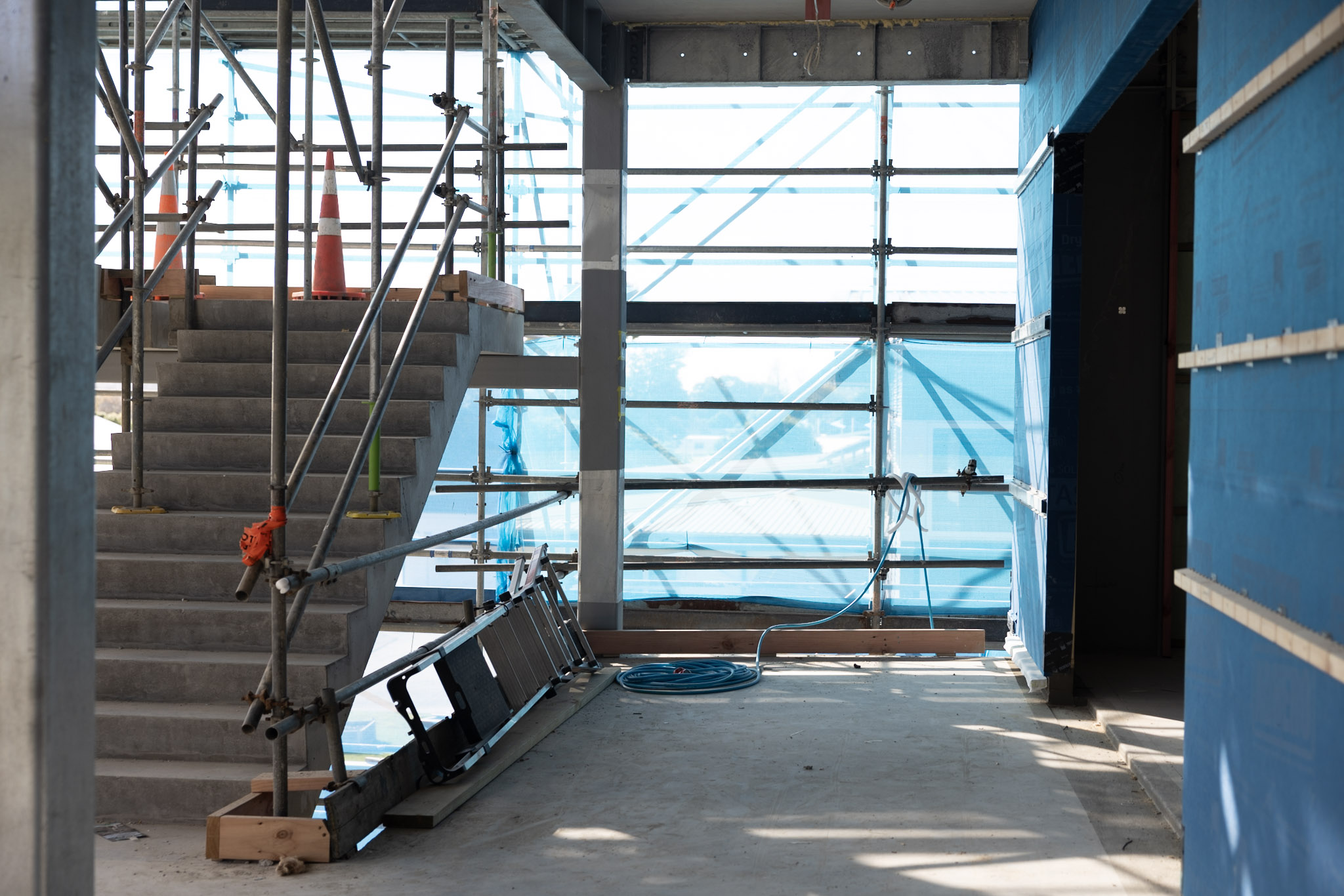
Commercial construction timelines exist in a world of competing pressures. Budget constraints. Weather delays. Material availability. Regulatory approvals. Labour scheduling. Each one threatens to push a project beyond its deadline, and when you're managing complex work across Auckland, the stakes are high.
At Wilsons Construction, we've spent two decades learning what actually works. Not the theoretical approaches in project management textbooks, but the practical systems that keep large-scale commercial projects moving forward when everything seems designed to slow them down.
The foundation of timeline management is honest planning. Before we commit to a completion date, we've already mapped the critical path. We've identified which tasks must finish before others can begin. We've built in buffers for the work that always takes longer than expected. We've accounted for the realities of working in Auckland's climate and regulatory environment. This isn't pessimism. It's the difference between promises we can keep and promises we'll break.
Sequencing matters more than most people realise. A retail fit-out isn't just a series of tasks that can happen in any order. The structural work must be complete before mechanical systems go in. Electrical rough-in must happen before walls close. Finishes come last. Get this wrong and you're paying workers to stand idle while waiting for previous trades to finish. Get it right and the work flows like a choreographed sequence.
Communication across the supply chain prevents the delays that compound. We maintain relationships with our key suppliers and subcontractors. We know their capacity. We know their lead times. We know what happens when we ask them to accelerate. When we schedule a delivery of structural steel, we're not guessing. We've already confirmed availability and locked in the date. When we need a specialist subcontractor, we've already discussed their availability months in advance.
Resource allocation is where theory meets reality. You can have the perfect schedule on paper, but if your best site manager is pulled to another project, or your key trades aren't available when you need them, the timeline collapses. We manage our resource pool carefully. We don't overcommit. We don't assume people will be available just because we need them. We plan around the actual capacity we have.
Weather in Auckland isn't something you can ignore. Rain stops concrete work. Wind halts crane operations. Extreme conditions shut sites down entirely. We don't pretend these delays won't happen. We factor them into our timelines. We schedule critical weather-dependent work during seasons when conditions are more predictable. We have contingency plans for when weather does disrupt progress.
Regulatory approvals move at their own pace. Building consents. Health and safety sign-offs. Environmental assessments. These aren't obstacles we resent. They're part of the process. We start the approval process early. We work with councils and regulatory bodies to understand their requirements. We submit complete applications that don't get sent back for missing information. We don't wait until we're ready to start work to begin the approval process.
Site conditions often reveal surprises. Underground utilities that weren't on the plans. Soil conditions that require different foundation approaches. Existing structures that need more careful handling than anticipated. These discoveries can derail timelines if you're not prepared. We conduct thorough site investigations before finalising schedules. We build contingency into our planning for the unknowns we can't predict.
Daily coordination keeps work moving. Our site managers run regular meetings with all trades. They review what was accomplished yesterday. They confirm what's happening today. They identify conflicts before they become problems. A plumber who discovers the electrician needs the same wall space tomorrow isn't a surprise that stops work. It's something we sorted out in yesterday's coordination meeting.
Tracking progress against the plan is constant work. We don't wait until the end of the month to realise we're behind schedule. We monitor progress daily. We compare actual work completed against planned work. When we see slippage, we identify the cause and adjust. Sometimes that means adding resources. Sometimes it means resequencing work. Sometimes it means having difficult conversations about what's actually achievable.
Cost and schedule are connected. Accelerating a timeline costs money. Crashing a schedule by bringing in additional resources, working overtime, or using expedited materials all increase costs. We don't make timeline decisions in isolation from budget. We present options to our clients. We explain the cost implications of different schedule scenarios. We let them decide what trade-offs make sense for their project.
Technology helps us manage complexity. Project management software gives us visibility across all the moving parts. We can see which tasks are on track and which are at risk. We can model the impact of delays before they happen. We can communicate schedule changes to everyone who needs to know instantly. This visibility prevents the miscommunications that create delays.
The projects we complete on time aren't lucky. They're the result of rigorous planning, constant monitoring, and the willingness to make adjustments when reality diverges from the plan. Managing complex commercial construction timelines is about respecting the work, respecting the people doing it, and building schedules that reflect how construction actually happens in Auckland.